

Διὰ τοὺς ἀναγνώστας οἱ ὁποῖοι δὲν εἶναι ἐξοικειωμένοι μὲ τὴν ἐκκλησιαστικὴν κρίσιν τῆς Οὐκρανίας, ὁ “Μητροπολίτης Θεοδόσιος Χερσῶνος καὶ Κανίβ” εἶναι τῆς πρώην Μητροπόλεως Οὐκρανικῆς Ὀρθοδόξου Ἐκκλησίας τοῦ Πατριαρχείου Μόσχας, ποιμαίνων ἐν τῇ πόλει τοῦ Τσερκάσκυ, ἐν κεντρικῇ Οὐκρανίᾳ. Ἐπεκαλέσθη τὸν Οἰκουμενικὸς Πατριάρχης Κωνσταντινουπόλεως Βαρθολομαῖον, ἵνα συμβάλῃ εἰς τὴν παῦσιν τῆς βίας καὶ τῶν καταλήψεων ἱερῶν ναῶν ἐν Οὐκρανίᾳ. Ἐκ πρώτης ὄψεως, τοῦτο φαίνεται ὡς ποιμαντικὴ ἔκκλησις. Καὶ ἀσφαλῶς, οὐδεὶς Χριστιανὸς δύναται νὰ ἐπαινεῖ τὴν βίαν, τὸν ἐκφοβισμόν, ἢ τὴν βιαίως γενομένην ἀπογύμνωσιν μιᾶς ἐνορίας ἀπὸ τὸν ναόν της.
Ἀλλ᾽ ὑπὸ τὴν ἔκκλησιν αὐτὴν κρύπτεται μία ἀντίφασις τόσον μεγάλη, ὥστε δὲν δύναται νὰ καλυφθῇ οὔτε διὰ τῶν ἱεραρχικῶν τίτλων, οὔτε διὰ τῶν σεμνῶν ἐνδυμάτων, οὔτε διὰ τῆς συνεχῶς ἐπαναλαμβανομένης ἐπικλήσεως τῆς «κανονικῆς τάξεως».
Ὁ Μητροπολίτης Θεοδόσιος ζητεῖ ἀπὸ τὴν Κωνσταντινούπολιν νὰ ἐπέμβῃ εἰς τὴν Οὐκρανίαν, ἐνῷ ταυτοχρόνως ἀπορρίπτει τὴν ἐκκλησιαστικὴν ἐξουσίαν δι᾽ ἧς ἡ Κωνσταντινούπολις ἐνήργησεν ἐν Οὐκρανίᾳ.
Αὐτὸ εἶναι τὸ σημεῖον. Καὶ δὲν εἶναι μικρὸν σημεῖον. Εἶναι ὅλη ἡ ὑπόθεσις.
Ἐπικαλεῖται τὸν Πατριάρχην Βαρθολομαῖον ὡς ἐὰν ἡ Κωνσταντινούπολις εἶχεν βαρεῖαν εὐθύνην ἔναντι τῆς Ἐκκλησίας τοῦ Κιέβου. Εἰς τοῦτο ἔχει δίκαιον. Ἀλλ᾽ ὅταν ἡ Κωνσταντινούπολις ἤσκησε τὴν εὐθύνην ταύτην, δεχομένη ἱκεσίας, ἀντιμετωπίζουσα τὸ οὐκρανικὸν σχίσμα, ἀποκαθιστῶσα τὴν κοινωνίαν καὶ ἐκδίδουσα τὸν Τόμον τῆς Αὐτοκεφαλίας τῷ 2019, οἱ ἐκκλησιαστικοὶ κύκλοι τοὺς ὁποίους ἐκπροσωπεῖ ἀπέρριψαν τὴν πράξιν ὡς ἐὰν ἦτο εἰσβολὴ ξένης δυνάμεως.
Ὁ Τόμος αὐτὸς ἀναγνωρίζει τὴν Ὀρθόδοξον Ἐκκλησίαν τῆς Οὐκρανίας ὡς αὐτοκέφαλον, αὐτοδιοίκητον καὶ πνευματικὴν θυγατέρα τοῦ Οἰκουμενικοῦ Πατριαρχείου.
Ὅθεν πρέπει νὰ τεθῇ τὸ ἐρώτημα ἀπερίφραστα: Ἔχει ἡ Κωνσταντινούπολις κανονικὴν ἐξουσίαν ἐν Οὐκρανίᾳ ἢ οὔ; Ἐὰν δὲν ἔχει, τότε ὁ Μητροπολίτης Θεοδόσιος δὲν δύναται λογικῶς νὰ ἀπαιτῇ ἀπὸ τὴν Κωνσταντινούπολιν νὰ ἐπιλύσῃ τὰς ἐκκλησιαστικὰς διενέξεις τῆς Οὐκρανίας.
Ἐὰν ὅμως ἔχει, τότε δὲν δύναται νὰ ἐπικαλεῖται τὴν ἐξουσίαν ταύτην μόνον ὅταν ζητεῖ προστασίαν διὰ τὴν δομὴν ἡ ὁποία ἀρνεῖται νὰ ἀναγνωρίσῃ τὴν ἀπόφασιν τῆς Κωνσταντινουπόλεως.
Τοῦτο δὲν εἶναι κανονικὴ συνέπεια. Εἶναι ἐκκλησιαστικὴ ἐπιλεκτικότης.
Ἡ ἱστορικὴ καὶ ἐκκλησιαστικὴ καταγωγὴ τοῦ οὐκρανικοῦ Χριστιανισμοῦ δὲν ἀρχίζει ἀπὸ τὴν Μόσχαν. Ἀρχίζει ἀπὸ τὸ Κίεβον καὶ διέρχεται διὰ τῆς Κωνσταντινουπόλεως.
Ἡ Ἐκκλησία τοῦ Κιέβου ἔλαβε τὴν πίστιν διὰ τοῦ βυζαντινοῦ χριστιανικοῦ κόσμου. Ἡ ἀρχαία Μητρόπολις Κιέβου ἀνῆκεν εἰς τὴν ἐκκλησιαστικὴν σφαῖραν τῆς Κωνσταντινουπόλεως αἰῶνας πρὶν ἡ Μόσχα λάβῃ πατριαρχικὴν ἀξίαν.
Οὔτε ἡ ἀμφισβητούμενη διευθέτησις τοῦ 1686 μετέβαλε τὴν Μόσχαν εἰς δημιουργὸν ἢ αἰώνιον κύριον τῆς Ἐκκλησίας τοῦ Κιέβου. Κατὰ τὴν θέσιν τοῦ Οἰκουμενικοῦ Πατριαρχείου, ἡ Μόσχα ἔλαβε περιορισμένον δικαίωμα χειροτονίας τοῦ Μητροπολίτου Κιέβου ὑπὸ συγκεκριμένους ὅρους οὐχὶ ἀπεριόριστον τίτλον ἀπορροφήσεως ὁλοκλήρου τῆς κληρονομίας τοῦ Κιέβου.
Μία προσωρινὴ παραχώρησις δὲν εἶναι συμβόλαιον πωλήσεως τῆς χάριτος. Μία διοικητικὴ διευθέτησις δὲν εἶναι αὐτοκρατορικὸν βάπτισμα. Καὶ μία μητρόπολις δὲν δύναται νὰ καταποθῇ ὑπὸ τῆς Μόσχας, ἁπλῶς ἐπειδὴ ἡ Μόσχα ἀπέκτησε μεταγενεστέρως τὴν δύναμιν νὰ διορίζῃ τοὺς ἱεράρχας της.
Ἂς εἴπωμεν, λοιπόν, τὸ πρᾶγμα χωρὶς τὴν καταχνιὰν τῆς πολιτικῆς θεολογίας:
Ἡ Οὐκρανία εἶναι θυγάτηρ τῆς Κωνσταντινουπόλεως, οὐχὶ παλλακὶς τῆς Μόσχας.
Ἡ Μόσχα δὲν ἔδωκεν εἰς τὸ Κίεβον τὸ Εὐαγγέλιον. Ἡ Μόσχα δὲν ἐδημιούργησε τὴν βαπτισματικὴν κληρονομίαν τοῦ οὐκρανικοῦ λαοῦ. Ἡ Μόσχα δὲν ἔγινε μήτηρ μιᾶς Ἐκκλησίας τὴν ὁποίαν παρέλαβε μόνον ἀφοῦ τὸ Κίεβον εἶχε ἤδη σταθῇ ἐπὶ αἰῶνας ἐντὸς τῆς βυζαντινῆς ἐκκλησιαστικῆς τάξεως.
Ἡ προσπάθεια ἀντιστροφῆς τῆς γενεαλογίας ταύτης δὲν εἶναι ἁπλῶς ἱστορικὴ σύγχυσις. Εἶναι θεολογικὴ παραχάραξις. Ἐδῶ ἀκριβῶς ἡ θέσις τοῦ Μητροπολίτου Θεοδοσίου γίνεται πλέον εὐάλωτος.
Καταδικάζει τὰς καταλήψεις τῶν ναῶν, καὶ δικαίως καταδικάζει τὴν βίαν.
Ἀλλ᾽ οὐ φαίνεται νὰ ἀντιμετωπίζῃ τὴν βαθύτεραν ἐκκλησιαστικὴν ἀταξίαν: τὴν ἐπιμονὴν εἰς ὑπεράσπισιν μιᾶς ἐκκλησιαστικῆς δομῆς, ἧς ἡ ἱστορικὴ καὶ σύγχρονος ταυτότης παραμένει συνδεδεμένη μὲ τὰς ἀξιώσεις τῆς Μόσχας ἐπὶ τῆς Οὐκρανίας.
Θέλει νὰ βλέπῃ ὁ κόσμος μόνον τὸν κατειλημμένον ναόν, τὸ ἐξαγριωμένον πλήθος, τὰς θραυσθείσας θύρας καὶ τοὺς πληγωμένους πιστούς. Καὶ ταῦτα ἔχουν σημασίαν. Ἀλλ᾽ ἐπιθυμεῖ νὰ ἀγνοήσωμεν τὸ μεῖζον ἐρώτημα:
Διὰ τί μία ἐξωτερικὴ ἐκκλησιαστικὴ ἀρχή, βαθέως συμπεπλεγμένη μὲ τὴν γεωπολιτικὴν ἰδεολογίαν τοῦ ρωσικοῦ κράτους, νὰ διατηρῇ ἀενάως ἐξουσίαν ἐπὶ τῆς Ἐκκλησίας μιᾶς ἀνεξαρτήτου Οὐκρανίας;
Τοῦτο εἶναι τὸ ἐρώτημα τὸ ὁποῖον ἀποφεύγει.
Ἡ ἔκκλησίς του, ὡς ἐκ τούτου, ἀποκαλύπτει διπλοπροσωπίαν ἀνάξιον ἱεραρχικοῦ θρόνου. Ὄχι διότι διαμαρτύρεται κατὰ τῆς βίας, ἀλλὰ διότι διαμαρτύρεται μόνον διὰ τὴν πληγὴν ἡ ὁποία φαίνεται, ἀρνούμενος νὰ ὀνομάσῃ τὴν νόσον ἡ ὁποία κρύπτεται ὑπὸ αὐτήν.
Ζητεῖ ἀπὸ τὴν Κωνσταντινούπολιν νὰ σβήσῃ τὴν πυρκαϊάν, ἐνῷ φυλάττει τὸν λύχνον ὁ ὁποῖος τὴν ἐτροφοδότησε. Ἐπικαλεῖται τὴν εἰρήνην, ἐνῷ διατηρεῖ τὴν διαίρεσιν.
Ἐπικαλεῖται τὴν Μητέρα Ἐκκλησίαν, ἐνῷ ἀρνεῖται τὴν πράξιν τῆς Μητρός.
Τοῦτο εἶναι κατώτερον τῆς ἀξίας ἑνὸς Ἱεράρχου—οὐχὶ διότι ἐλέγχει τὴν βίαν, ἀλλὰ διότι ἀρνεῖται νὰ ἐξετάσῃ τὸ σύστημα τὸ ὁποῖον κατέστησε τὴν Ὀρθοδοξίαν τῆς Οὐκρανίας εὐάλωτον εἰς τὴν ρωσικὴν γεωπολιτικὴν ὑποταγήν.
Ἡ ἰδεολογία τοῦ Russkiy mir δὲν εἶναι ἁπλῶς ἐκτίμησις κοινῆς γλώσσης, πολιτισμοῦ ἢ ἱστορίας. Καθίσταται ἐκκλησιολογικὸν σφάλμα ὅταν μεταβάλλῃ μίαν πολιτικὴν πολιτισμικὴν σφαῖραν εἰς ἱερὰν ἐπικράτειαν καὶ συγχέῃ τὴν αὐτοκρατορικὴν ἑνότητα μὲ τὴν ἑνότητα τῆς Ἐκκλησίας.
Τότε ἡ πολιτικὴ καὶ πνευματικὴ ἐπιρροὴ τῆς Ρωσίας παρουσιάζεται ὡς ἱερά, ἡ ἐκκλησιαστικὴ ἀνεξαρτησία τῆς Οὐκρανίας ὡς ἀποστασία, ἡ δικαιοδοσία τῆς Μόσχας ὡς ἁγία ἐπειδὴ ἡ Μόσχα εἶναι ἰσχυρά, καὶ ἡ ἀντίστασις εἰς τὴν ρωσικὴν κυριαρχίαν ὡς ἀντίστασις εἰς τὴν Ὀρθοδοξίαν.
Τοῦτο δὲν εἶναι καθολικότης. Εἶναι ὁ παλαιὸς πειρασμὸς τῆς αὐτοκρατορίας, ἐνδεδυμένος σταυρὸν καὶ ἐπωμίδα. Ἡ Ἐκκλησία δὲν γίνεται μία διὰ τοῦ χάρτου ἑνὸς κράτους. Δὲν ἑνοῦται διὰ τῶν φιλοδοξιῶν ἑνὸς προέδρου, ἑνὸς πατριάρχου ἢ ἑνὸς πολιτισμικοῦ μύθου. Ἑνοῦται ἐν Χριστῷ, ἐν τῇ ἀποστολικῇ πίστει, ἐν τῇ μυστηριακῇ ζωῇ καὶ ἐν τῇ κανονικῇ ἐλευθερίᾳ τῶν τοπικῶν Ἐκκλησιῶν, αἳ ζῶσιν ἐν κοινωνίᾳ μετ᾽ ἀλλήλων.
Τὸ ρωσικὸν κράτος δὲν ἔχει μυστηριακὸν τίτλον ἐπὶ τῆς Οὐκρανίας.
Τὸ Κρεμλίνον δὲν εἶναι Σύνοδος.
Καὶ ἡ γεωπολιτικὴ ἐπιδίωξις τῆς Μόσχας δὲν εἶναι Ἱερὰ Παράδοσις.
Οὐδεὶς Χριστιανὸς δύναται νὰ δικαιολογήσῃ τὴν βίαν. Οὐδεμία ἐνορία πρέπει νὰ καταλαμβάνεται διὰ τῆς βίας. Οὐδεὶς πιστὸς πρέπει νὰ θεωρῆται ἐχθρὸς ἕνεκα τῆς ἐκκλησιαστικῆς του ἐντάξεως. Ὅλα ταῦτα πρέπει νὰ ἐπιλύωνται νομίμως, εἰρηνικῶς καὶ μὲ γνησίαν ποιμαντικὴν σοβαρότητα.
Ἀλλ᾽ ἡ εἰρήνη δὲν δύναται νὰ σημαίνῃ αἰώνιον διατήρησιν τῆς ρωσικῆς ἐκκλησιαστικῆς κυριαρχίας.
Ὁ δρόμος ἐμπρός δὲν εἶναι ἡ παλινόρθωσις τοῦ ἀυτοκρατορικοῦ προνομίου τῆς Μόσχας ὑπὸ τὸ δανεισμένον ὄνομα τῆς «κανονικῆς τάξεως». Εἶναι ἡ μετάνοια ἀπὸ τὴν θεολογίαν τῆς αὐτοκρατορίας, ἡ ἀναγνώρισις τῆς Αὐτοκεφάλου Ἐκκλησίας τῆς Οὐκρανίας καὶ ἡ ἀποκατάστασις τῆς κοινωνίας.
Ὁ Μητροπολίτης Θεοδόσιος δὲν δύναται νὰ ἀπαιτῇ ἀπὸ τὴν Κωνσταντινούπολιν νὰ ἐνεργήσῃ, ἐνῷ ἀρνεῖται τὴν ἐνέργειαν τῆς Κωνσταντινουπόλεως. Δὲν δύναται νὰ ἐπικαλεῖται τὸ Κίεβον ὡς ἐκκλησιαστικὴν πατρίδα, ἐνῷ ὑπερασπίζεται τὴν κατοχὴν τοῦ Κιέβου ὑπὸ τῆς Μόσχας. Δὲν δύναται νὰ καταδικάζῃ τὸν ἐξαναγκασμόν, ἐνῷ ἀρνεῖται νὰ ἐξετάσῃ τὸ σύστημα τὸ ὁποῖον ἔκαμε τὴν Ὀρθοδοξίαν τῆς Οὐκρανίας εὐάλωτον εἰς τὴν ρωσικὴν γεωπολιτικὴν αἰχμαλωσίαν.
Ἡ ἔκκλησίς του, λοιπόν, πρέπει νὰ λάβῃ ἀπάντησιν:
Ἡ καταγωγή σου εἶναι τὸ Κίεβον. Ἡ βαπτισματικὴ κληρονομία σου εἶναι ἡ Κωνσταντινούπολις. Ἡ σημερινὴ σύγχυσίς σου προέρχεται ἀπὸ τὸ ὅτι θεωρεῖς τὴν ἀυτοκρατορικὴν ἐξάρτησιν ἀπὸ τὴν Μόσχαν ὡς τὴν πληρότητα τῆς κανονικῆς Παραδόσεως.
Ἡ Οὐκρανία δὲν εἶναι ἐκκλησιαστικὴ παλλακὶς τῆς Μόσχας.
Εἶναι θυγάτηρ τῆς Κωνσταντινουπόλεως, πληγωμένη, ἀμφισβητουμένη καὶ ἐπὶ μακρὸν ἐμποδισθεῖσα νὰ λάβῃ τὴν προσήκουσαν θέσιν της μεταξὺ τῶν Ἐκκλησιῶν.
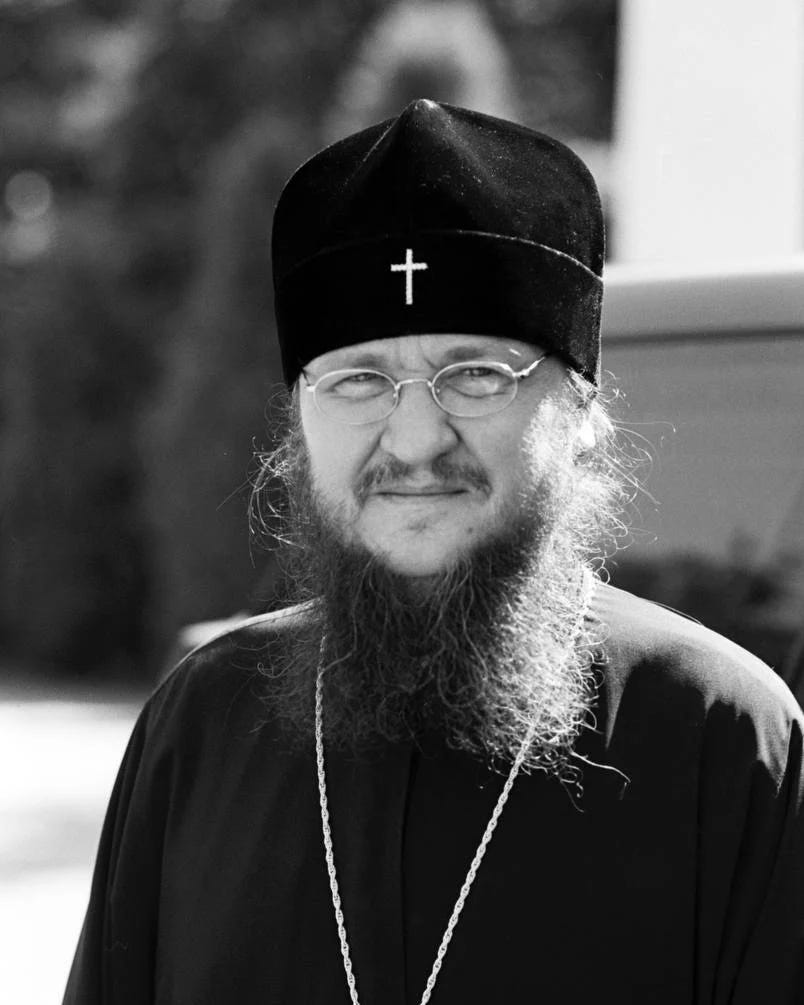
For readers unfamiliar with Ukraine’s ecclesiastical crisis: Metropolitan Theodosiy of Cherkasy and Kaniv is a hierarch of the Ukrainian Orthodox Church, serving in Cherkasy, a city in central Ukraine. He has appealed to Ecumenical Patriarch Bartholomew, the Patriarch of Constantinople, to help end violence and church seizures in Ukraine. On the surface, this sounds like a pastoral appeal. No Christian should celebrate violence, intimidation, or the forcible dispossession of a parish.
But beneath the appeal lies a contradiction so large that it cannot be concealed by episcopal vestments, solemn titles, or the repeated invocation of “canonical order.”
Metropolitan Theodosiy wants Constantinople to intervene in Ukraine, while rejecting the ecclesiastical authority by which Constantinople acted in Ukraine.
That is the point. And it is not a small point. It is the whole case.
He appeals to Patriarch Bartholomew as though Constantinople possesses a grave responsibility toward the Church of Kyiv. In this, he is correct. But when Constantinople exercised that responsibility- receiving appeals, addressing the Ukrainian schism, restoring communion, and issuing the Tomos of Autocephaly in 2019—Theodosiy’s ecclesiastical camp rejected the act as though it were an invasion by a foreign power. The Tomos itself describes the Church of Ukraine as autocephalous, self-governing, and the spiritual daughter of the Ecumenical Patriarchate.
Thus the question must be asked plainly:
Does Constantinople possess authority in Ukraine, or does it not?
If it does not, then Metropolitan Theodosiy has no coherent basis for demanding that Constantinople solve Ukraine’s ecclesiastical disputes.
If it does, then he cannot invoke that authority only when he wants protection for the structure that refuses to acknowledge Constantinople’s decision.
This is not canonical consistency. It is ecclesiastical convenience.
The historical lineage of Ukrainian Christianity does not begin in Moscow. It begins in Kyiv and comes through Constantinople.
The Church of Kyiv received the faith through the Roman (Byzantine) Hellenic Christian world. The ancient Metropolitanate of Kyiv belonged to the ecclesiastical orbit of Constantinople centuries before Moscow received patriarchal status. Even the disputed arrangement of 1686 did not transform Moscow into the creator or eternal owner of the Church of Kyiv. The Ecumenical Patriarchate maintains that Moscow received a limited right to ordain the Metropolitan of Kyiv under particular conditions not an unrestricted title to absorb the entire Kyivan ecclesiastical inheritance.
A temporary concession is not a sacramental deed of sale.
An administrative arrangement is not an imperial baptism.
And a metropolitanate cannot be swallowed by Moscow simply because Moscow later acquired the power to appoint its hierarchs.
Let us therefore state the matter without the fog of political theology:
Ukraine is a daughter of Constantinople, not a mistress of Moscow.
Moscow did not give Kyiv the Gospel. Moscow did not create the baptismal inheritance of the Ukrainian people. Moscow did not become the mother of a Church it received only after Kyiv had already stood for centuries within the Byzantine ecclesiastical order.
The attempt to reverse this lineage is more than historical confusion. It is a theological falsification.
This is where Metropolitan Theodosiy’s position becomes most vulnerable. He condemns church seizures, and he is right to condemn violence. But he does not appear to confront the deeper ecclesiastical disorder: the continued defense of a church structure whose historical and contemporary identity remains entangled with Moscow’s claims over Ukraine.
He wants the world to see only the seized building, the angry crowd, the broken doors, and the wounded faithful. Those things matter. But he would have us ignore the larger question:
Why should an external ecclesiastical center, deeply fused with the geopolitical ideology of the Russian state, retain permanent authority over the Church of an independent Ukraine?
That is the question he avoids. His appeal is therefore duplicity beneath a hierarchical see. He presents himself as the defender of canonical order while defending the consequences of a system that treats Moscow’s control as though it were the natural and final form of Ukrainian Orthodoxy.
He asks Constantinople to extinguish the fire while guarding the lamp that fed it.
He invokes peace while preserving the division.
He appeals to the Mother Church while denying the Mother Church’s act.
This is beneath the dignity of a hierarch, not because he protests violence, but because he protests only the wound that is visible while refusing to name the disease that lies beneath it.
The ideology of Russkiy mir is not simply an appreciation for shared language, literature, or history. It becomes an ecclesiastical error when it turns a political civilization into a sacred territory and confuses imperial unity with the unity of the Church.
It teaches, implicitly or openly, that Russian political and spiritual influence must remain over Ukrainians; that Ukrainian ecclesiastical independence is rebellion; that Moscow’s jurisdiction is holy because Moscow is powerful; and that resistance to Russian domination is resistance to Orthodoxy itself.
This is not catholicity. It is the old imperial temptation wearing a pectoral cross.
The Church is not made one by the map of a state. She is not united by the ambitions of a president, a patriarch, or a civilizational myth. The Church is united in Christ, in the apostolic faith, in the sacramental life, and in the canonical freedom of local Churches living in communion with one another.
The Russian state has no sacramental title over Ukraine. The Kremlin is not a synod. Moscow’s geopolitical program is not Holy Tradition.
No Christian should justify violence. No parish should be seized by force. No believer should be treated as an enemy because of his ecclesiastical affiliation. These matters must be resolved lawfully, peacefully, and with pastoral seriousness.
But peace cannot mean preserving Russian ecclesiastical domination.
The path forward is not the restoration of Moscow’s imperial privilege under the borrowed language of “canonical order.” It is repentance from the theology of empire, recognition of the autocephalous Church of Ukraine, and restoration of communion.
Metropolitan Theodosiy cannot demand that Constantinople act while rejecting Constantinople’s action. He cannot claim Kyiv as his ecclesiastical home while defending Moscow’s possession of Kyiv. He cannot condemn coercion while refusing to examine the system that has made Ukrainian Orthodoxy vulnerable to Russian geopolitical capture.
His appeal, then, must be answered:
Your lineage is Kyiv. Your baptismal inheritance is Constantinople. Your present confusion comes from treating Moscow’s imperial dependence as though it were the fullness of canonical tradition.
Ukraine is not Moscow’s ecclesiastical mistress.
She is the daughter of Constantinople; wounded, contested, and long delayed in taking her rightful place among the Churches.
Very aptly put: Ukraine is the daughter of Constantinople, not Moscow’s concubine.
Moscow is urging the UOC to remain within the ROC-MP, fully aware of the consequences this stance may have for the UOC under current Ukrainian realities. Taken to its logical conclusion, the message essentially amounts to this: “Keep commemorating Patriarch Kirill, even if it means facing criminal prosecution—or worse, death.” A kind of martyrdom—for Patriarch Kirill.
Why mention the possibility of death? Religious organizations that have not brought their statutes into compliance with Ukrainian law risk losing their legal status. Their clergy would then fall under the ordinary rules of military conscription. In practice, they could be drafted and sent to the front. There have already been cases of draft notices being served on UOC bishops.
Meanwhile, to preserve their legal status, UOC organizations are required to remove from their statutes any references to ties with the Moscow Patriarchate and to stop commemorating Kirill as Primate of the Russian Orthodox Church—the Patriarch of Moscow and All Rus’.
This is where a particularly striking contradiction appears. The UOC continues to insist on its connection to the Moscow Patriarchate and to remain under Patriarch Kirill’s omophorion. Yet the moment the pressure becomes truly intense—as in the case of Metropolitan Theodosius—it suddenly remembers the existence of Ecumenical Patriarch Bartholomew.
The result is a rather peculiar ecclesiology: when Moscow is convenient, Kyiv must stand with Moscow; when help is needed, Constantinople is suddenly rediscovered.